
Funny Exchange Login Tips
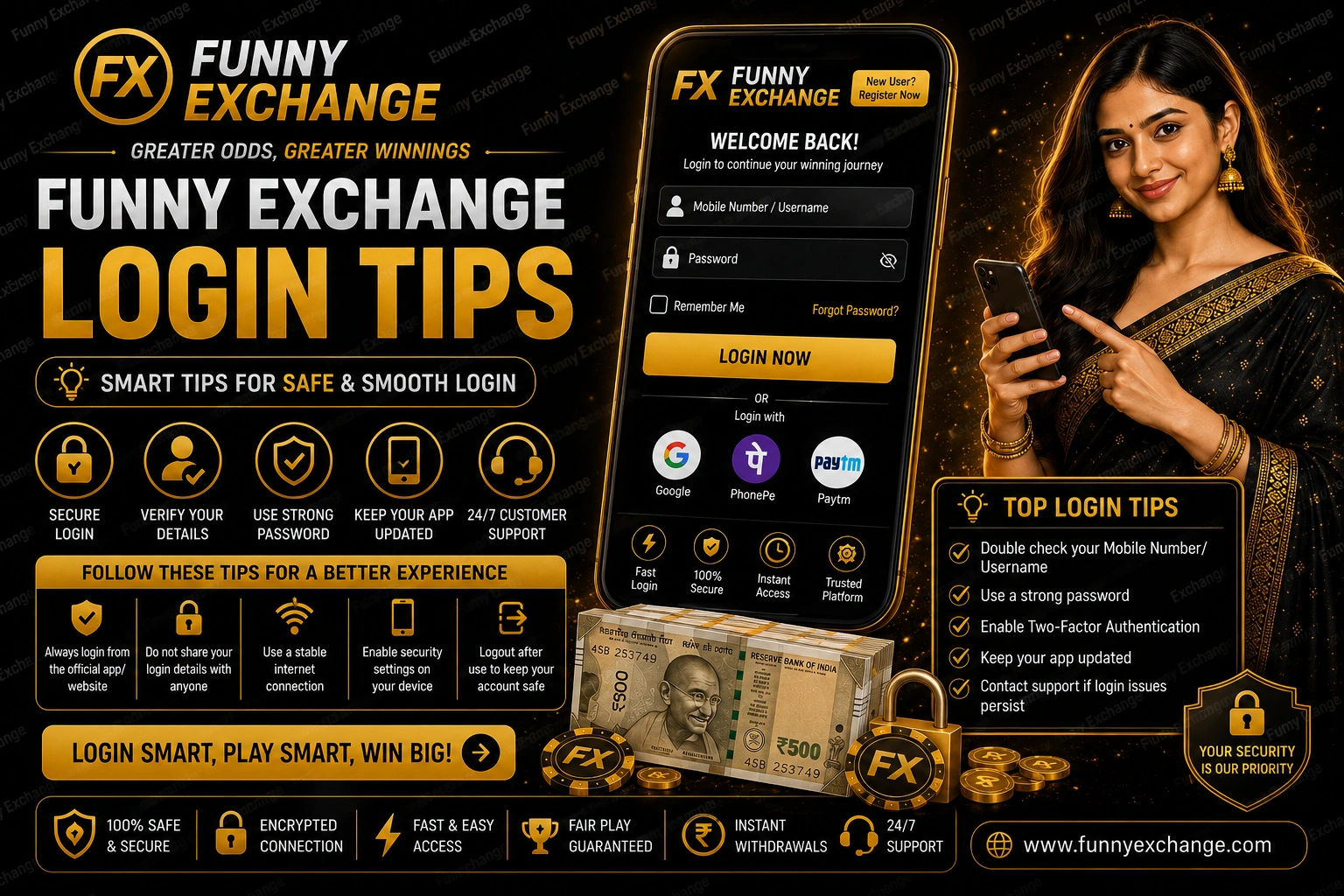
Funny Exchange Login Tips – Avoid Common Account Issues
Logging in to your Funny Exchange account is the first step toward accessing your profile, checking account activity, and using the platform on your desktop or mobile device. While the login process is straightforward, following a few simple best practices can make your experience smoother and help keep your account secure. This Funny Exchange Login Tips guide covers practical advice for beginners, including how to sign in correctly, create a strong password, protect your login credentials, troubleshoot common login issues, and maintain account security. By understanding these essential login tips, users can access their accounts with greater confidence while reducing the risk of common login errors and security problems.
Why Login Security Matters
Your online account may contain personal information, payment details, or account history. Protecting access to your account helps reduce the risk of identity theft, fraud, and unauthorized activity.
Good login security begins with strong credentials and careful online habits.
Create a Strong Password
A strong password is one of the most effective ways to protect an account.
Best practices include:
- Use at least 12 characters.
- Combine uppercase and lowercase letters.
- Include numbers and symbols.
- Avoid personal information such as birthdays or names.
- Use a unique password for every important account.
Enable Two-Factor Authentication (2FA)
If a platform supports two-factor authentication, enable it. With 2FA, you’ll need both your password and a second verification step, such as a code from an authenticator app or SMS, making unauthorized access much more difficult.
Use Official Websites and Apps
Always sign in through the service’s official website or official mobile application.
Avoid clicking login links in unsolicited emails, text messages, or social media posts.
Watch for Phishing
Phishing attempts often imitate legitimate websites.
Before entering your password:
- Check the web address carefully.
- Look for spelling mistakes in the domain.
- Be cautious of urgent messages asking you to log in immediately.
- Never enter credentials on unfamiliar websites.
Avoid Public Wi-Fi for Sensitive Logins
Public Wi-Fi networks may not be secure.
If you must use public Wi-Fi:
- Use a trusted VPN if possible.
- Avoid accessing sensitive accounts.
- Log out after your session ends.
Keep Your Device Updated
Install updates for:
- Your operating system
- Web browser
- Mobile applications
- Security software
Updates often contain important security fixes.
Common Login Problems
Forgotten Password
Use the official Forgot Password feature to reset your password.
Incorrect Username
Double-check for typing errors or saved autofill information.
Browser Issues
If the login page isn’t working:
- Clear your browser cache.
- Try another browser.
- Disable problematic browser extensions temporarily.
Temporary Service Issues
Sometimes login failures occur because the service is undergoing maintenance. Waiting and trying again later often resolves the problem.
Secure Your Mobile Login
When using a smartphone:
- Lock your device with a PIN or biometrics.
- Avoid saving passwords on shared devices.
- Download apps only from trusted sources.
- Keep automatic app updates enabled.
Signs Your Account May Be Compromised
Watch for:
- Password changes you didn’t make.
- Unknown login notifications.
- Changes to your profile information.
- Unexpected emails about account activity.
- Transactions or activity you don’t recognize.
If you notice suspicious activity, change your password immediately and contact the platform’s support team.
Best Practices Checklist
- Use strong, unique passwords.
- Enable two-factor authentication.
- Keep software updated.
- Verify website addresses before logging in.
- Never share passwords or one-time codes.
- Review account activity regularly.
- Log out from shared or public devices.
Frequently Asked Questions
How often should I change my password?
There’s no fixed schedule for everyone, but you should change it immediately if you suspect it has been compromised.
Is it safe to save passwords in my browser?
A dedicated password manager is generally considered more secure than relying solely on browser storage, especially on shared devices.
What should I do if I receive a suspicious login email?
Do not click any links. Instead, navigate directly to the official website and check your account from there.
Conclusion
Good login security is based on simple habits: using strong passwords, enabling two-factor authentication where available, keeping your devices updated, and being alert to phishing attempts. Whether you’re accessing email, banking, shopping, or other online services, these practices can significantly reduce the risk of unauthorized access and help keep your personal information secure.
Join Funny Exchange Today
Explore exciting casino games, live entertainment and premium gaming experiences.